โทร : +86-18630605462 อีเมล : info@jhhycontainerhouse.com

Beijing Jinhuahengyuan Prefab Housing Co., Ltd.
Leading manufacturer of container house, with 150+ global partners
-
Call+86-18630605462
Leading manufacturer of container house, with 150+ global partners
Call+86-18630605462
โทร : +86-18630605462 อีเมล : info@jhhycontainerhouse.com
การเลือกโครงสร้างสำเร็จรูปที่เหมาะสมเป็นเรื่องสำคัญ คุณต้องการโซลูชันที่สมดุลระหว่างพื้นที่ ต้นทุน และคุณภาพ แต่ตัวเลือกต่างๆ อาจทำให้สับสนและตัดสินใจยาก
สำหรับโครงการที่อยู่อาศัยส่วนใหญ่บ้านเคลื่อนที่เป็นตัวเลือกที่ดีกว่า เพราะมีพื้นที่ใช้สอยมากกว่าอย่างเห็นได้ชัด ต้นทุนสินค้าและค่าขนส่งต่ำกว่า โครงสร้างปลอดภัยกว่า และมอบประสบการณ์การอยู่อาศัยที่สะดวกสบายกว่าเมื่อเทียบกับแบบมาตรฐานบ้านคอนเทนเนอร์แบบขยายได้.
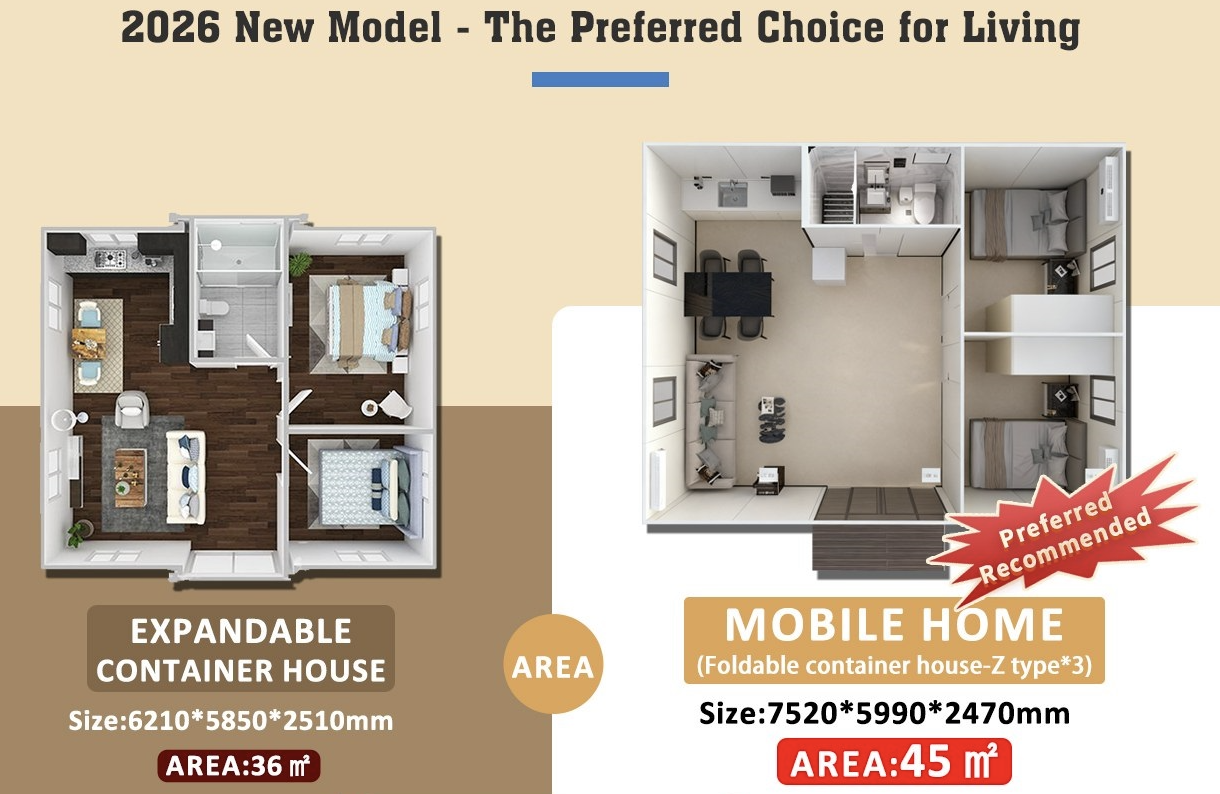
ทั้งบ้านเคลื่อนที่และบ้านคอนเทนเนอร์แบบขยายได้ต่างก็เป็นโซลูชันแบบโมดูลาร์ที่ยอดเยี่ยม ฉันเคยทำงานกับลูกค้าที่ใช้ทั้งสองแบบเพื่อความต้องการที่แตกต่างกัน แต่เมื่อพูดถึงการสร้างพื้นที่อยู่อาศัยที่สะดวกสบายและคุ้มค่า รายละเอียดต่าง ๆ คือสิ่งที่สำคัญที่สุด เพื่อช่วยให้คุณเลือกสิ่งที่ดีที่สุดสำหรับโครงการของคุณ เรามาวิเคราะห์ความแตกต่างที่สำคัญทีละข้อกัน ซึ่งจะช่วยให้คุณเห็นว่าตัวเลือกใดเหมาะสมกับเป้าหมายระยะยาวของคุณอย่างแท้จริง
โครงการของคุณต้องการผังพื้นที่ที่กว้างขวางและปรับเปลี่ยนได้เพื่อความสำเร็จ การออกแบบที่คับแคบและไม่ยืดหยุ่นอาจทำลายประสบการณ์การอยู่อาศัยของแขกหรือผู้อยู่อาศัย และจำกัดศักยภาพของโครงการอย่างมาก
ใช่แล้ว บ้านเคลื่อนที่ (Mobile Home) มีพื้นที่ใช้สอยมากกว่าบ้านคอนเทนเนอร์แบบขยายได้ทั่วไปประมาณ 25% นอกจากนี้ยังสามารถเชื่อมต่อหลายยูนิตเข้าด้วยกัน ทำให้ได้พื้นที่ใช้สอยที่กว้างขวางและยืดหยุ่นมากขึ้น เพื่อตอบสนองความต้องการของโครงการต่างๆ ได้
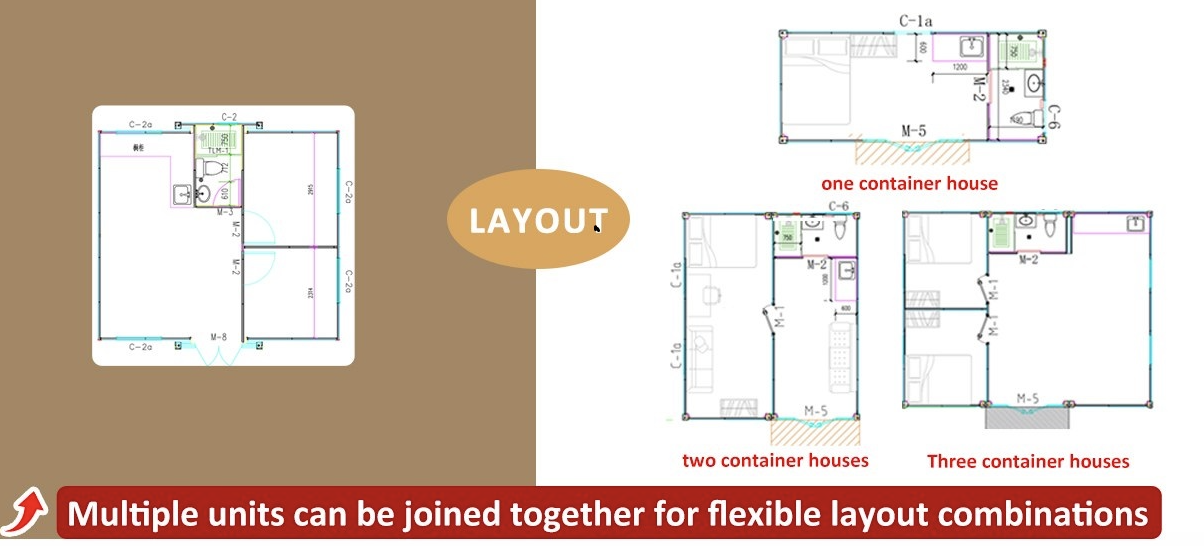
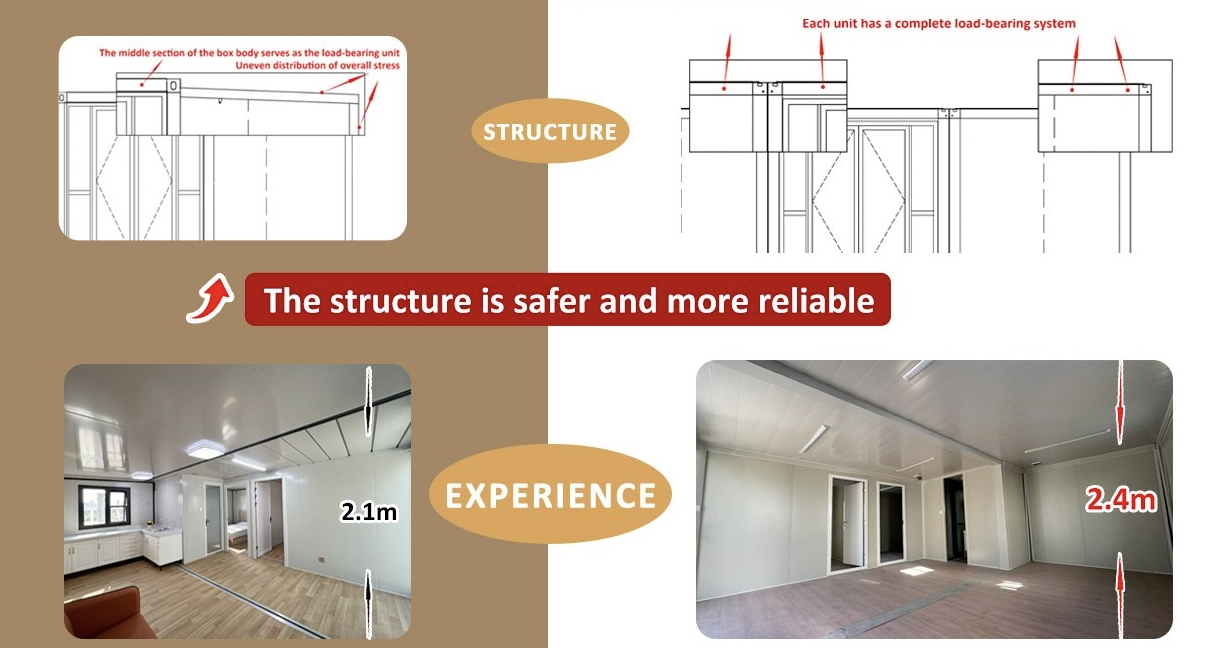
มาเริ่มกันที่ตัวเลขพื้นฐานก่อน บ้านคอนเทนเนอร์แบบขยายได้ทั่วไปมีพื้นที่ประมาณ 36 ตารางเมตร ในขณะที่บ้านเคลื่อนที่ของเรามีพื้นที่ประมาณ 45 ตารางเมตร นั่นคือพื้นที่ใช้สอยเพิ่มขึ้น 25% พื้นที่พิเศษนี้สามารถหมายถึงห้องนั่งเล่นที่ใหญ่ขึ้น ห้องนอนที่สะดวกสบายมากขึ้น หรือแม้แต่พื้นที่ทำงานเล็กๆ ที่จัดไว้โดยเฉพาะ แต่ขนาดไม่ได้หมายถึงแค่พื้นที่ใช้สอยเท่านั้น ความสูงภายในของบ้านเคลื่อนที่ของเราอยู่ที่ 2.4 เมตร ในขณะที่บ้านแบบขยายได้หลายหลังมีความสูงประมาณ 2.1 เมตร ผมเคยเข้าไปยืนอยู่ข้างในทั้งสองแบบแล้ว และความสูงที่เพิ่มขึ้นอีก 1 ฟุตนั้นทำให้พื้นที่รู้สึกโล่งโปร่งและไม่คับแคบอย่างเห็นได้ชัด นอกจากข้อดีของบ้านแบบเดี่ยวแล้ว ข้อได้เปรียบที่แท้จริงคือความยืดหยุ่น บ้านแบบขยายได้มักจะเป็นยูนิตเดี่ยวๆ แต่บ้านเคลื่อนที่ได้รับการออกแบบมาให้สามารถนำมาประกอบกันได้ คุณสามารถเชื่อมต่อสอง สาม หรือมากกว่านั้นเข้าด้วยกันเพื่อสร้างรูปแบบที่กว้างขวางและไม่เหมือนใคร
| คุณสมบัติ | บ้านเคลื่อนที่ | บ้านคอนเทนเนอร์แบบขยายได้ |
|---|---|---|
| พื้นที่หน่วยเดี่ยว | ~45 ตร.ม. | ~36 ตร.ม. |
| ความสูงภายใน | ~2.4 ม. | ~2.1 ม. |
| การจัดวางแบบผสมผสาน | ใช่ สามารถเชื่อมต่อหลายยูนิตเข้าด้วยกันได้ | ไม่ครับ โดยทั่วไปแล้วจะเป็นโปรแกรมแบบแยกต่างหาก |
ทุกโครงการล้วนมีงบประมาณจำกัด ต้นทุนสินค้าที่สูงและค่าขนส่งที่ไม่คาดคิดอาจทำให้กำไรของคุณลดลงอย่างรวดเร็ว บังคับให้คุณต้องลดทอนคุณภาพหรือคุณสมบัติบางอย่างในส่วนอื่น ๆ ในภายหลัง
แน่นอน บ้านเคลื่อนที่สามารถมีต้นทุนการผลิตที่ถูกกว่าได้ประมาณ 20% ที่สำคัญกว่านั้น การออกแบบของมันยังช่วยลดต้นทุนการขนส่งได้มากถึง 50% เมื่อเทียบกับบ้านคอนเทนเนอร์แบบขยายได้ นี่เป็นข้อได้เปรียบอย่างมากสำหรับผู้ซื้อจากต่างประเทศ
ก่อนอื่น มาพูดถึงต้นทุนผลิตภัณฑ์กันก่อน ด้วยการออกแบบที่เหมาะสมและกระบวนการผลิตที่มีประสิทธิภาพมากขึ้น เราสามารถลดต้นทุนการผลิตของบ้านเคลื่อนที่ลงได้ประมาณ 20% เมื่อเทียบกับบ้านแบบขยายได้ที่มีอุปกรณ์คล้ายกัน การประหยัดนี้จะส่งผลดีต่องบประมาณโครงการของคุณโดยตรง อย่างไรก็ตาม การประหยัดที่สำคัญที่สุดมาจากการขนส่ง บ้านคอนเทนเนอร์แบบขยายได้โดยทั่วไปจะถูกขนส่งเป็นหน่วยเดียวภายในตู้คอนเทนเนอร์ขนาด 20 ฟุต บ้านเคลื่อนที่ของเราได้รับการออกแบบมาเพื่อการขนส่งที่มีประสิทธิภาพมากขึ้น ผมจำได้ว่าลูกค้ารายหนึ่งในออสเตรเลียตกใจมากเมื่อเราแสดงให้เขาเห็นว่าเราสามารถบรรจุบ้านเคลื่อนที่สองหลังลงในตู้คอนเทนเนอร์ขนาด 40 ฟุตได้เพียงตู้เดียว การเปลี่ยนแปลงง่ายๆ นี้ช่วยลดต้นทุนการขนส่งต่อหน่วยของเขาลงครึ่งหนึ่ง สำหรับผู้รับเหมาโครงการและผู้นำเข้าที่ซื้อจำนวนมาก ประสิทธิภาพด้านโลจิสติกส์นี้หมายถึงการประหยัดอย่างมหาศาลและผลตอบแทนจากการลงทุนที่ดีกว่ามาก
| ปัจจัยต้นทุน | บ้านเคลื่อนที่ | บ้านคอนเทนเนอร์แบบขยายได้ |
|---|---|---|
| ต้นทุนผลิตภัณฑ์ | ลดลงประมาณ 20% | ราคามาตรฐาน |
| ประสิทธิภาพการขนส่ง | สูง (เช่น 2 ยูนิต / ตู้คอนเทนเนอร์ 40 ฟุต) | ปริมาณต่ำ (เช่น 1 ยูนิต / ตู้คอนเทนเนอร์ 20 ฟุต) |
| ประมาณการประหยัดค่าใช้จ่ายด้านการขนส่ง | สูงสุดถึง 50% | ต้นทุนพื้นฐาน |
เมื่อคุณสร้างที่อยู่อาศัย ความปลอดภัยเป็นสิ่งที่ไม่สามารถต่อรองได้ โครงสร้างที่ไม่แข็งแรงหรือความต้านทานต่อไฟที่ไม่ดีถือเป็นความเสี่ยงร้ายแรงต่อผู้อยู่อาศัยและเป็นภัยคุกคามต่อการลงทุนทั้งหมดของคุณ
ใช่แล้ว บ้านเคลื่อนที่ถูกสร้างขึ้นด้วยโครงสร้างรับน้ำหนักที่สมบูรณ์และแข็งแรงกว่า นอกจากนี้ยังใช้วัสดุทนไฟเกรด Aจึงเป็นตัวเลือกที่ปลอดภัยและน่าเชื่อถือกว่าสำหรับการใช้งานระยะยาวทั้งในที่อยู่อาศัยและเชิงพาณิชย์
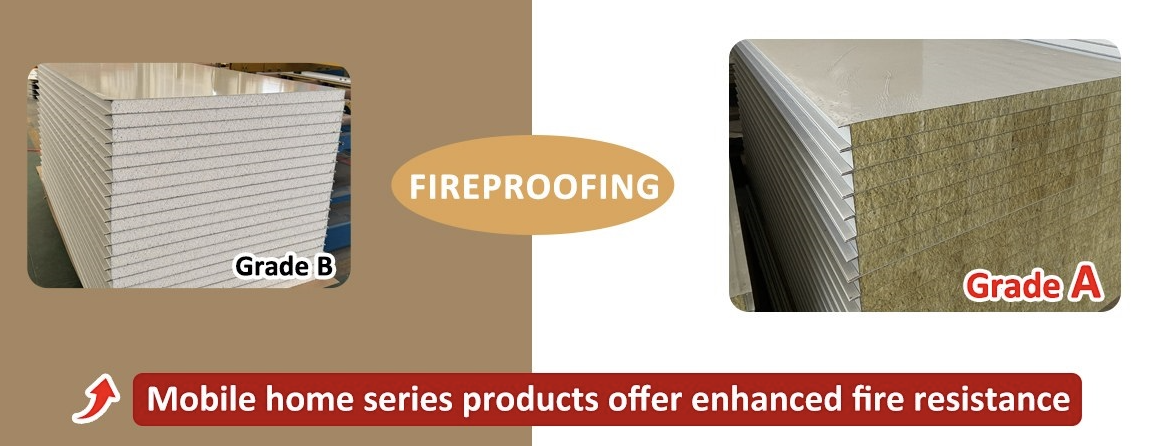
เดอะความสมบูรณ์ของโครงสร้างโครงสร้างที่สำคัญที่สุดของอาคารคือความมั่นคง บ้านเคลื่อนที่ของเราได้รับการออกแบบด้วยโครงเหล็กแบบครบวงจรที่ให้ความมั่นคงตั้งแต่ฐานราก นี่คือความแตกต่างที่สำคัญจากบ้านแบบขยายได้บางแบบ ซึ่งอาจอาศัยแผงที่กางออกเป็นส่วนหนึ่งของโครงสร้างเท่านั้น หลักฐานที่ชัดเจนที่สุดของความแข็งแกร่งที่เหนือกว่านี้คือความสามารถในการสร้างในแนวตั้ง คุณไม่สามารถซ้อนบ้านคอนเทนเนอร์แบบขยายได้ทั่วไปได้ แต่บ้านเคลื่อนที่ของเราสามารถสร้างได้สูงถึง 2 หรือ 3 ชั้น ซึ่งเป็นไปได้ก็เพราะความแข็งแกร่งที่ออกแบบมาในโครงสร้างหลัก ความปลอดภัยยังรวมถึงความต้านทานต่อไฟด้วย เราใช้วัสดุที่ได้รับการจัดอันดับความทนไฟเกรด A เช่น ฉนวนใยหิน ซึ่งไม่ติดไฟ บ้านแบบขยายได้หลายหลังใช้วัสดุเกรด B ซึ่งทนไฟแต่ก็ยังสามารถติดไฟได้ มาตรฐานความปลอดภัยที่สูงกว่านี้ทำให้คุณและผู้อยู่อาศัยอุ่นใจได้
| คุณสมบัติความปลอดภัย | บ้านเคลื่อนที่ | บ้านคอนเทนเนอร์แบบขยายได้ |
|---|---|---|
| การออกแบบโครงสร้าง | โครงสร้างรับน้ำหนักแบบสมบูรณ์ | มักอาศัยแผงที่กางออก |
| สามารถรองรับอาคารหลายชั้นได้ | ใช่ (2-3 ชั้น) | ไม่ (มีเฉพาะเรื่องสั้นเรื่องเดียว) |
| ระดับความทนไฟ | เกรด A (ไม่ติดไฟ) | เกรด B (ทนไฟ) |
บ้านเคลื่อนที่ (Mobile Home) มีพื้นที่ใช้สอยมากกว่า ต้นทุนต่ำกว่า ปลอดภัยกว่า และมีความยืดหยุ่นในการออกแบบมากกว่า จึงเป็นตัวเลือกที่ชัดเจนสำหรับโครงการที่อยู่อาศัยสมัยใหม่และการพัฒนาเชิงพาณิชย์


โทร : +86-18630605462
อีเมล : info@jhhycontainerhouse.com
5th Floor, 19b Building, 10th Liushan Street, Yanjiao National High-Tech Zone, Langfang, Hebei
ฝากข้อความ
สแกนไปยัง WeChat :

สแกนไปยัง WhatsApp :